


The old phone network is being switched off

This is not a sales deadline. It is a network retirement, and it has been published for years. In Ireland there is no single national date published. The withdrawal is running region by region, and the major providers have already stopped taking new ISDN orders — which is the part that catches businesses out, because a line you cannot renew or add to is already on its way out whether or not a date has been announced for your exchange. In the UK, Openreach switches off the public switched telephone network on 31 January 2027.
What it means in practice is simple. When the exchange serving your building is retired, an analogue or ISDN line stops working. There is no grace period for a business that left it late, and the closer the date gets the more competition there is for engineering time.
The businesses that handle this well treat it as a chance to fix something rather than a box to tick. The line is being replaced anyway; the question worth asking is what you get in return for the change.
Your number does not change. What sits behind it does.
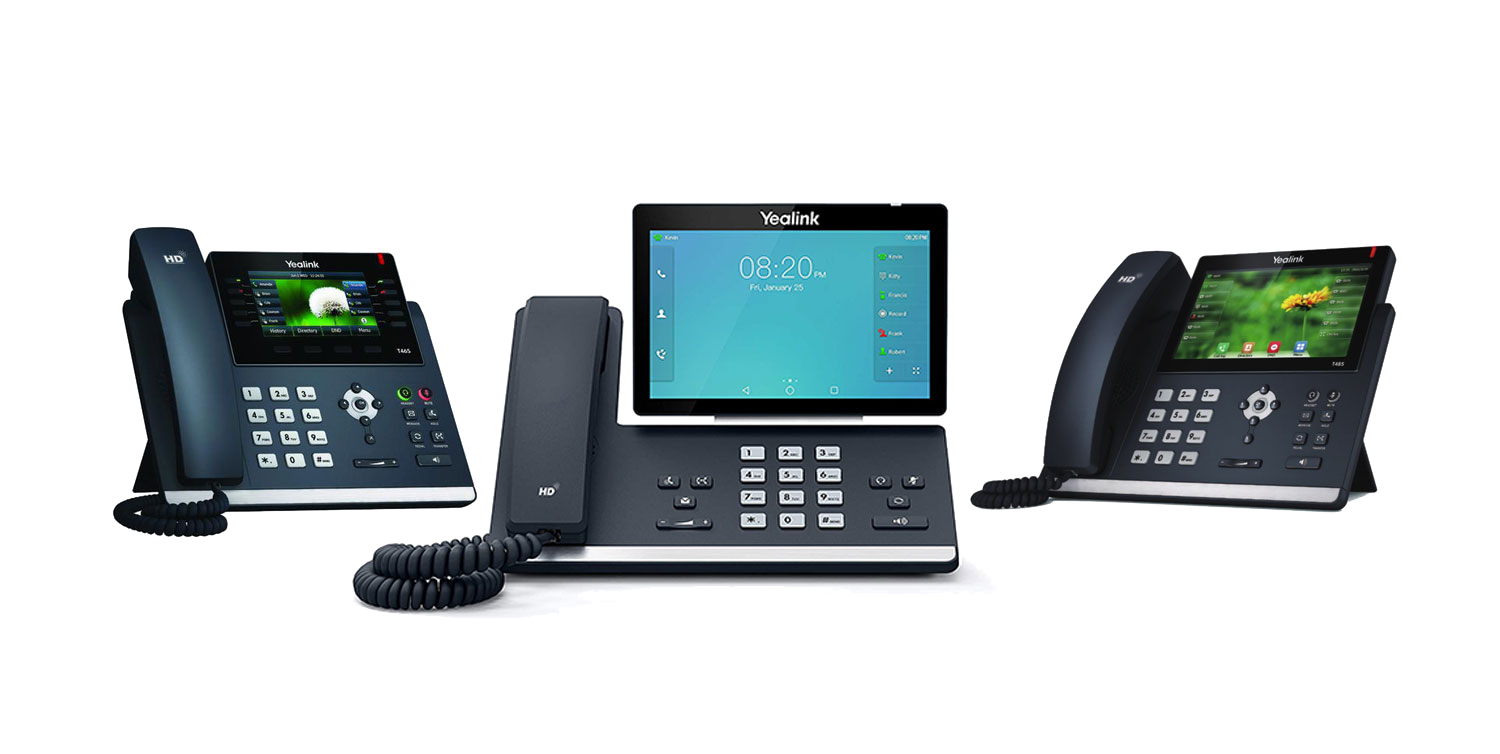
The number does not change
A VoIP landline is your existing business number, delivered over your internet connection instead of a copper pair. Nobody calling you can tell the difference, and nothing on your letterhead, your van or your Google listing needs reprinting.
The phone usually does not either
Most business handsets from the last few years work as they are. Where a desk phone is genuinely too old, an adapter is often the answer rather than a replacement — and the same number can also ring a laptop or a mobile app at the same time, which a copper line could never do.
What changes is what sits behind it
An analogue line does exactly one thing: it rings a phone in a building. Once the number arrives over the internet, the same call can be sent wherever it needs to go. The difference, side by side:
| Your line today | A VoIP line | |
|---|---|---|
| Where the call runs | A copper pair into one building | Your internet connection, wherever you are |
| Nobody picks up | It rings out | Moves to another office, a mobile or a queue, on a rule you set |
| Out of hours | It rings an empty office | A message, a divert or the on-call mobile, on a schedule |
| The line fails | The phone simply does not ring | Calls divert automatically to whatever you nominated |
| Voicemail | Sits on the handset for whoever walks past | Arrives in the inbox of the person it was for |
| Adding a number | An order, an engineer visit and a wait | Added on the platform |
| Taking a call elsewhere | Only at that desk | Desk phone, laptop or mobile, on the same number |
We port your numbers at no cost to you, from any network
Your main number is on signage, invoices, contracts, directory listings and in the phones of every customer you have ever had. Losing it is not an inconvenience, it is a marketing expense and a service problem for years afterwards. So porting is not a chargeable extra here — it is simply part of moving.
Tell us which numbers you hold and who they are with. We confirm what can move before you commit to anything, because a small number of cases genuinely cannot port — certain non-geographic ranges, numbers in dispute or in arrears, and anything outside the jurisdictions where we hold numbering. As part of the process we will validate the porting and confirm upfront if there are any foreseen issues.
On cost, numbering is priced by where it sits. A number in one area, a number in another and a number in another country are not the same product, so we price from the range yours actually comes from.
- No porting charge, whatever network the numbers sit on today
- Main numbers, direct dials and number ranges
- Confirmed as portable before you commit
- Your existing provider does not have to agree to be helpful
The handset is not the only thing that stops working

A phone line in a business is rarely just a phone. The same kind of line often carries equipment nobody thinks about until it stops working — and when the old network goes, it goes for all of it, not only for the handset on the desk.
Card payment terminals
Lift and emergency phones
Intruder and fire alarm diallers
Door entry and gate intercoms
Fax and franking machines
Out-of-hours and site alarm lines
Tell us about these before we submit the porting request, not after. Each one has a different answer: some move across unchanged, some need a different approach entirely, and a few are better handled by the company that maintains them than by us. We will advise on the right approach for your circumstances — but only if we know the equipment is there.
This is the single most common cause of a poor switchover, and it is entirely avoidable with one conversation at the start.
Not sure what is on your lines? Neither are most people. We will go through it with you.
Lines come with our platform, not on their own
We do not sell a bare VoIP line. Our numbers are supplied with the Telecom Stack Cloud PBX platform.
The reason is that a line on its own is exactly what you are leaving behind. Every useful thing about moving off copper — routing a call to another office, sending it to a mobile after six, holding it in a queue instead of dropping it, diverting everything when a connection fails, seeing how many calls you missed last week — happens in the platform, not in the line.
It also means one supplier for the numbers, the system and the support, and one bill.
Cloud PBX
The platform your lines sit on. Unlimited extensions, call routing and out-of-hours handling, Microsoft Teams calling, and support available 24/7.
See Cloud PBXQuestions we are asked
- When is the old phone network switched off?
- In the UK, Openreach retires the public switched telephone network on 31 January 2027. In Ireland there is no single published national date: the withdrawal is running region by region, and the major providers have already stopped taking new ISDN orders. In practice both mean the same thing for a business on an analogue line — it has an end date, and it is not far away.
- Do we have to change our phone numbers?
- No. Your numbers move with you. That is the whole point of porting: the number your customers have had for years keeps ringing, it simply arrives over your internet connection instead of a copper pair.
- What does it cost to move our numbers across?
- In almost every case, nothing. We port your existing numbers from any network at no cost to you. Tell us what you have and who it is with, and we confirm what can move before you commit to anything.
- Will our existing phones still work?
- Most SIP handsets from the last few years will register against our platform. Older analogue handsets plugged into a wall socket will not, though an adapter is often the answer rather than a replacement. Send us the make and model and we will confirm before you spend anything.
- What about the card machine, the lift phone and the alarm?
- Tell us about them before we submit the porting request. Card terminals, lift and intruder alarms, door entry, gate intercoms and fax machines all sit on the same kind of line, and each has a different answer — some move across, some need a different approach entirely. We advise based on your circumstances, but only if we know they are there.
- Can we buy just the lines on their own?
- No. Our VoIP lines are supplied with the Cloud PBX platform rather than on their own. A line with no system behind it is what you are leaving: the routing, the out-of-hours handling, the failover and the reporting all live in the platform, and that is where the value of the move actually is.
- What happens to calls if the internet goes down?
- Calls divert automatically to mobiles or to another site, on a rule you set in advance. This is one of the practical gains over an analogue line, where a fault simply means the phone does not ring.
- Can we still reach emergency services?
- Yes. On a copper line the address is fixed to the building; once a number can ring anywhere, it has to be recorded instead. Emergency calls route to the emergency services for the service address we hold for each user, which we set up during onboarding — so tell us when someone changes site. The full position is set out in our Terms.
Other options available



Bring us your last phone bill. We will tell you what the same setup costs here, and what moves across.